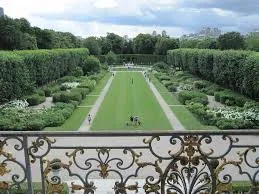
Musée Rodin: From Hôtel Biron to Living Museum
Discover how the Hôtel Biron became the Musée Rodin, housing masterpieces like The Thinker, The Kiss, and The Gates of Hell.
→
Musée Rodin Paris: Hôtel Biron, Gardens, and a Living Sculpture Museum
A deep introduction to the Musée Rodin: the Hôtel Biron’s interiors, the gardens’ axial light, and how architecture and nature frame sculpture.
→
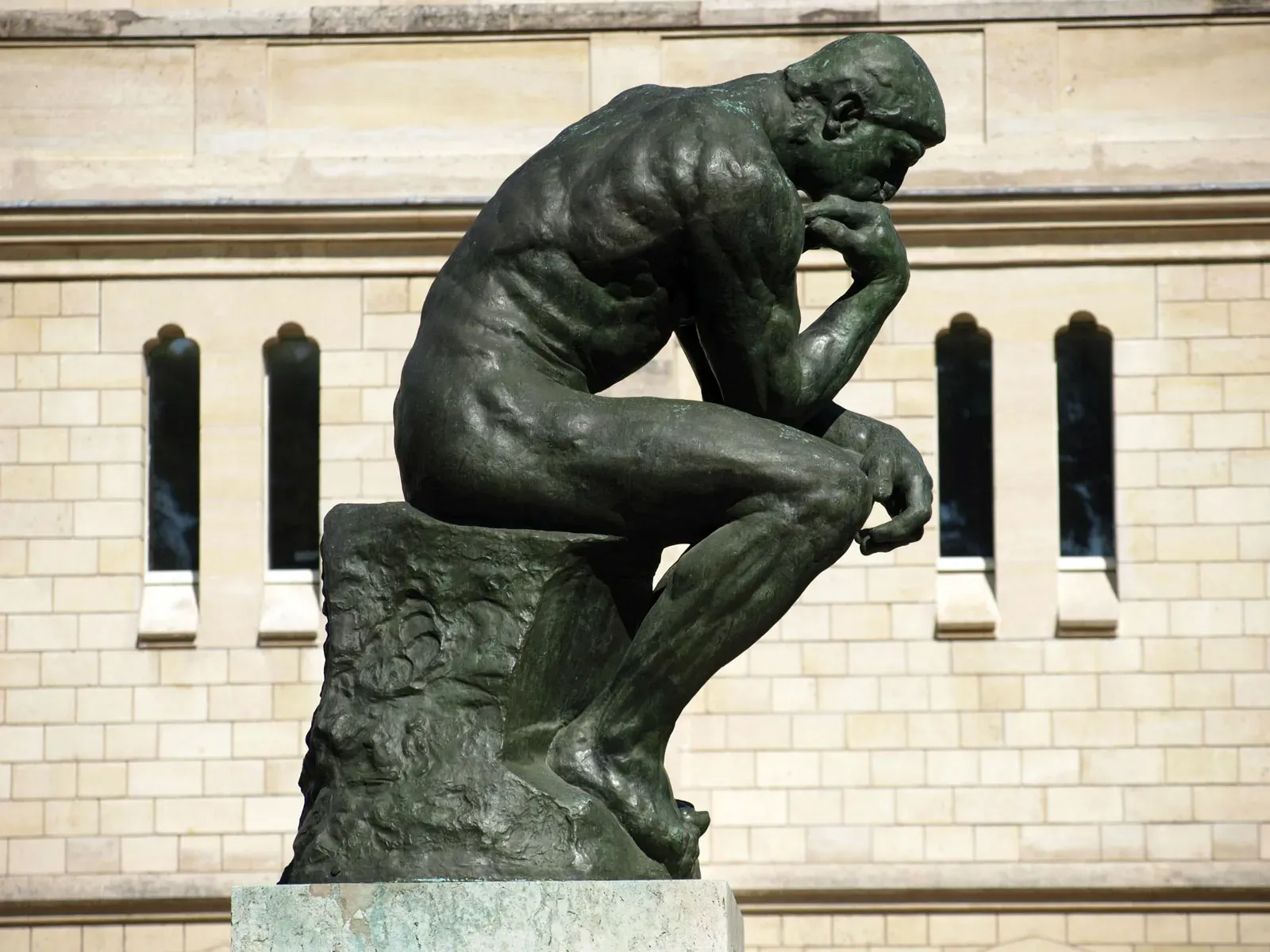
The Thinker: Iconography, Foundry Versions, and How Light Reads Bronze
From a figure atop the Gates of Hell to a global icon—versions, patinas, and the optics of bronze under daylight.
→
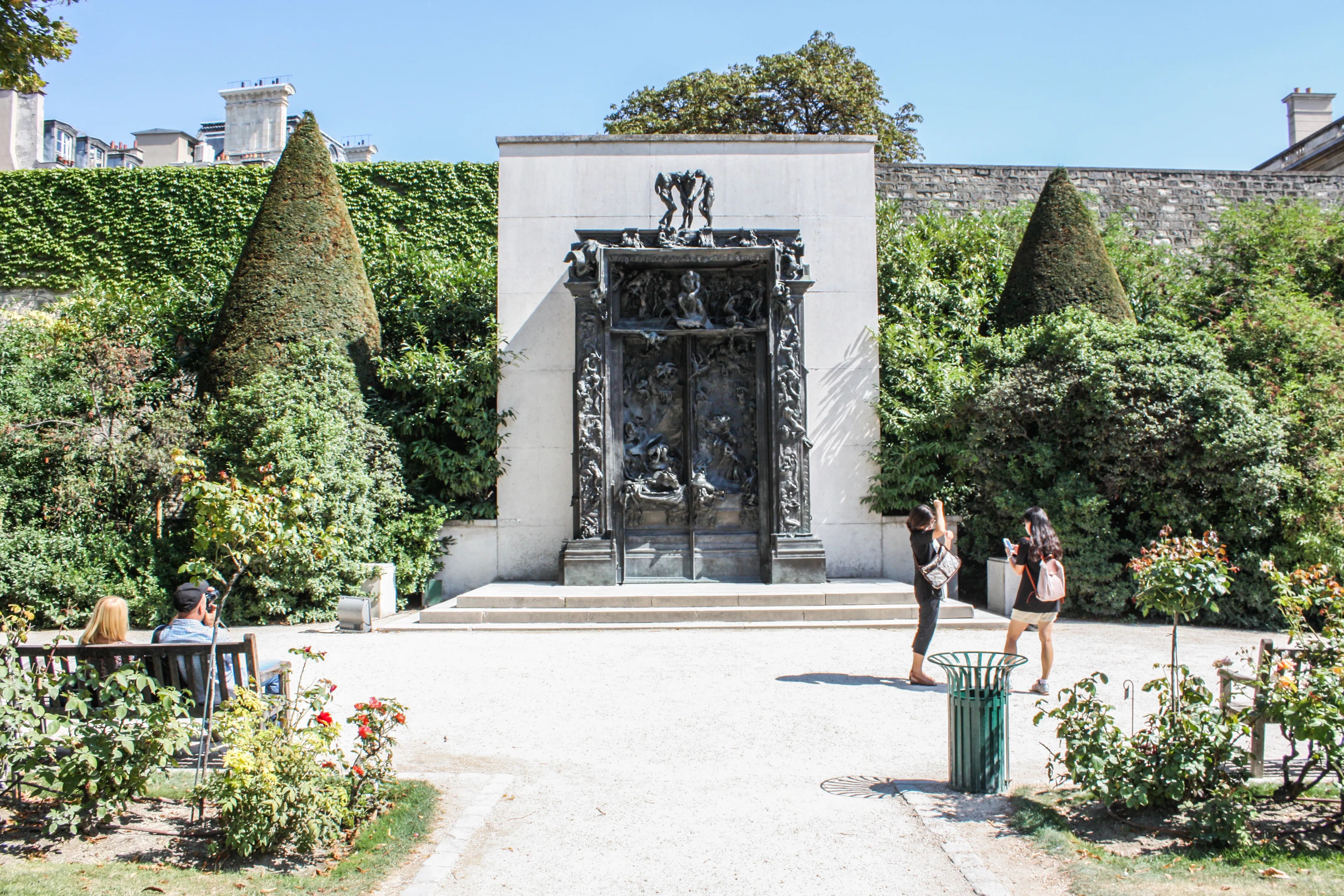
The Gates of Hell: Dante, Iterative Modeling, and an Open Work
Commissioned in 1880, the Gates became Rodin’s laboratory—200+ figures, constant reworkings, and fragments that grew into legends.
→
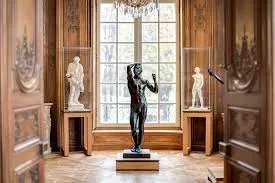
The Kiss: Marble Technique, Light, and Public Reception
How marble becomes living skin, why finish varies by zone, and how public controversy sharpened modern perception.
→
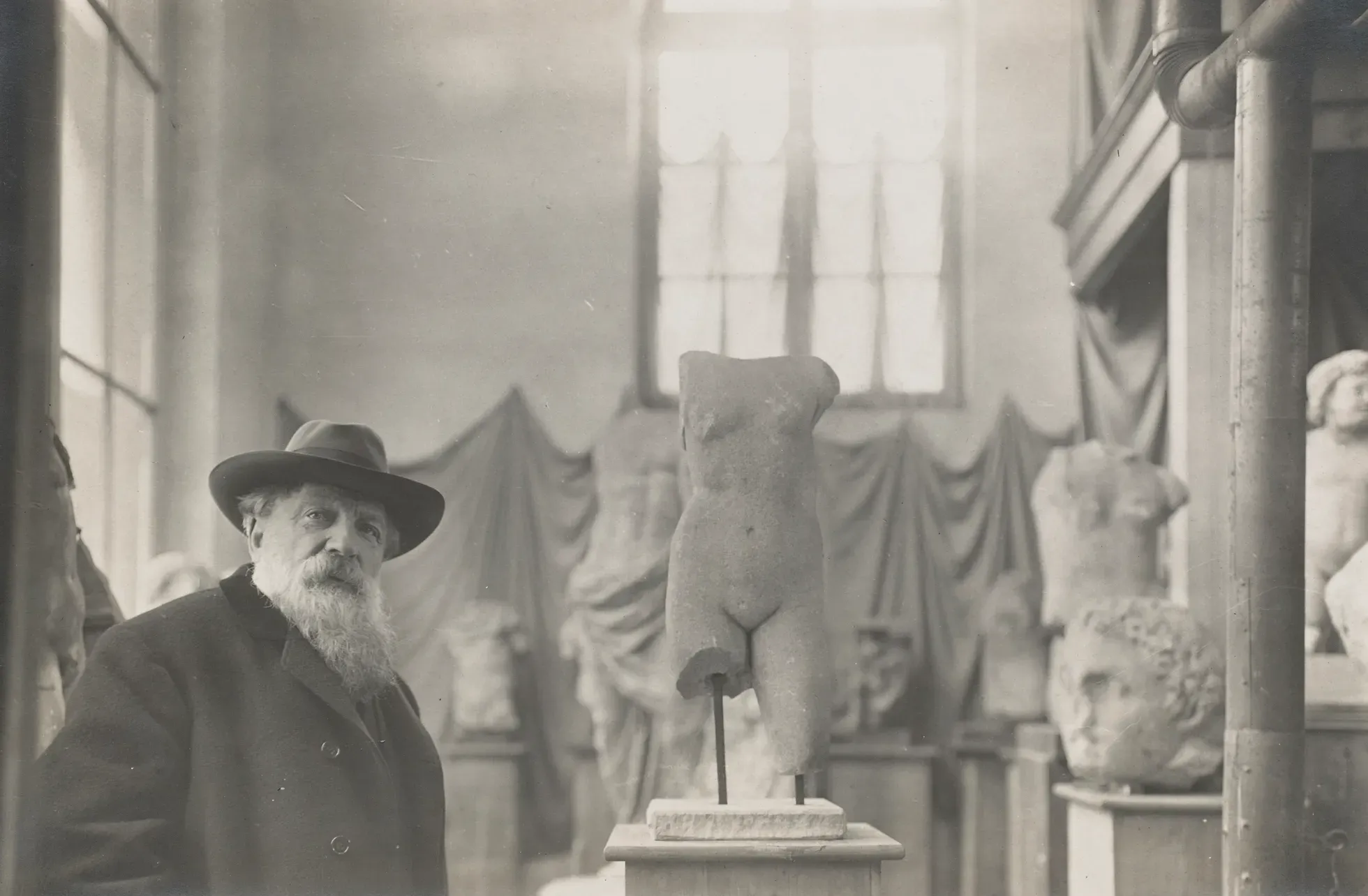
Balzac: Gesture, Drapery, and the Invention of Modern Monumentality
Why Rodin’s Balzac shocked audiences—cape as energy field, silhouette over detail, and presence across a plaza.
→
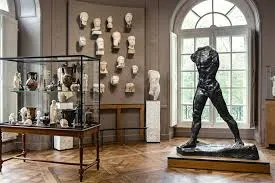
The Burghers of Calais: Empathy, Scale, and Ground‑Level Monuments
Six individuals, equal dignity, ground‑level encounter—how Rodin reframed civic memory with proximity and human scale.
→
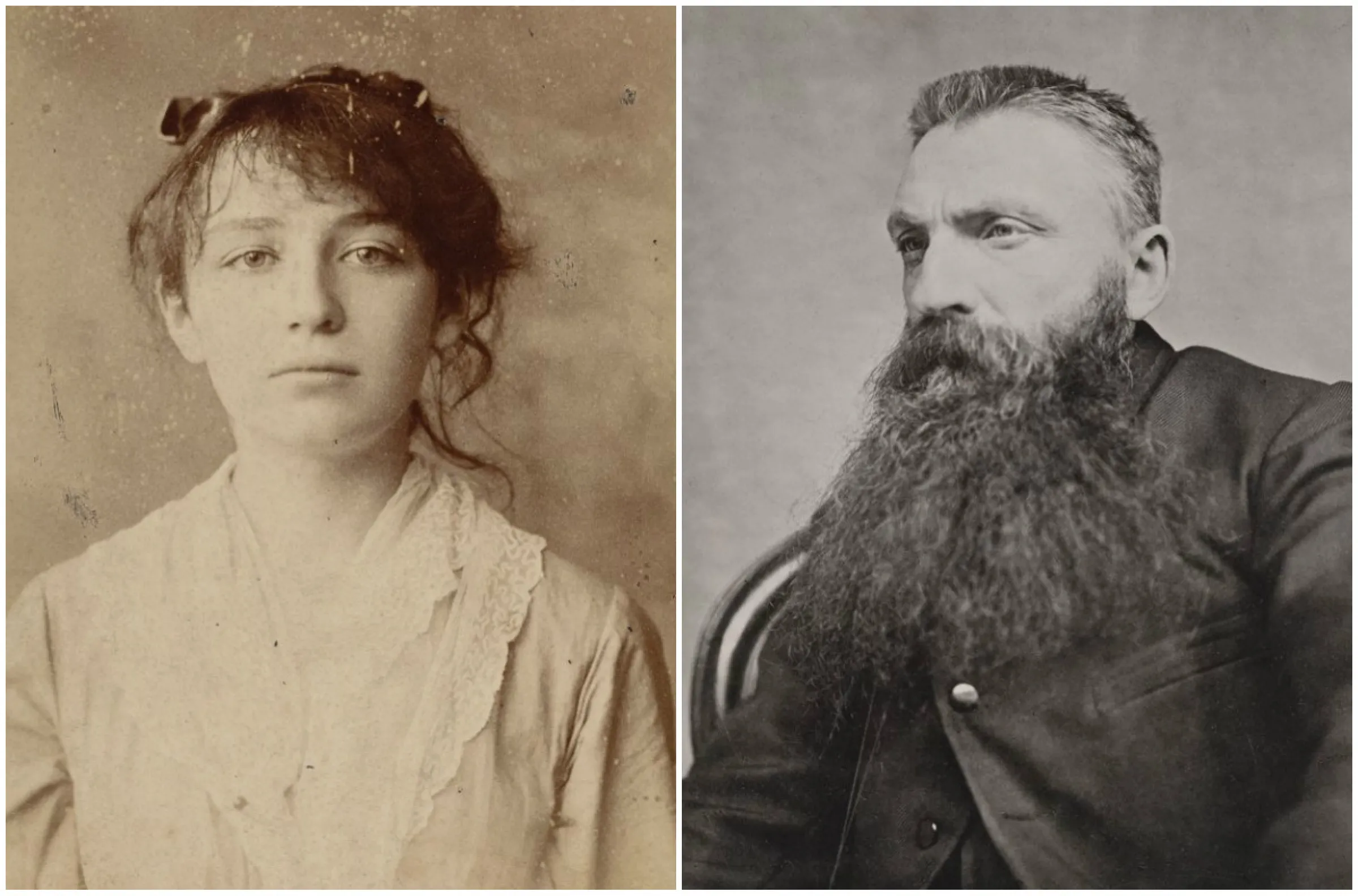
Camille Claudel and Rodin: Dialogues, Distinctions, and Independent Genius
Shared studio practices, divergent languages—Claudel’s crystalline clarity facing Rodin’s eruptive surfaces.
→
Rodin’s Drawings: Line, Movement, and Gesture Studies
On paper, Rodin trades mass for speed—economy of line, translucent washes, and negative space that breathes.
→
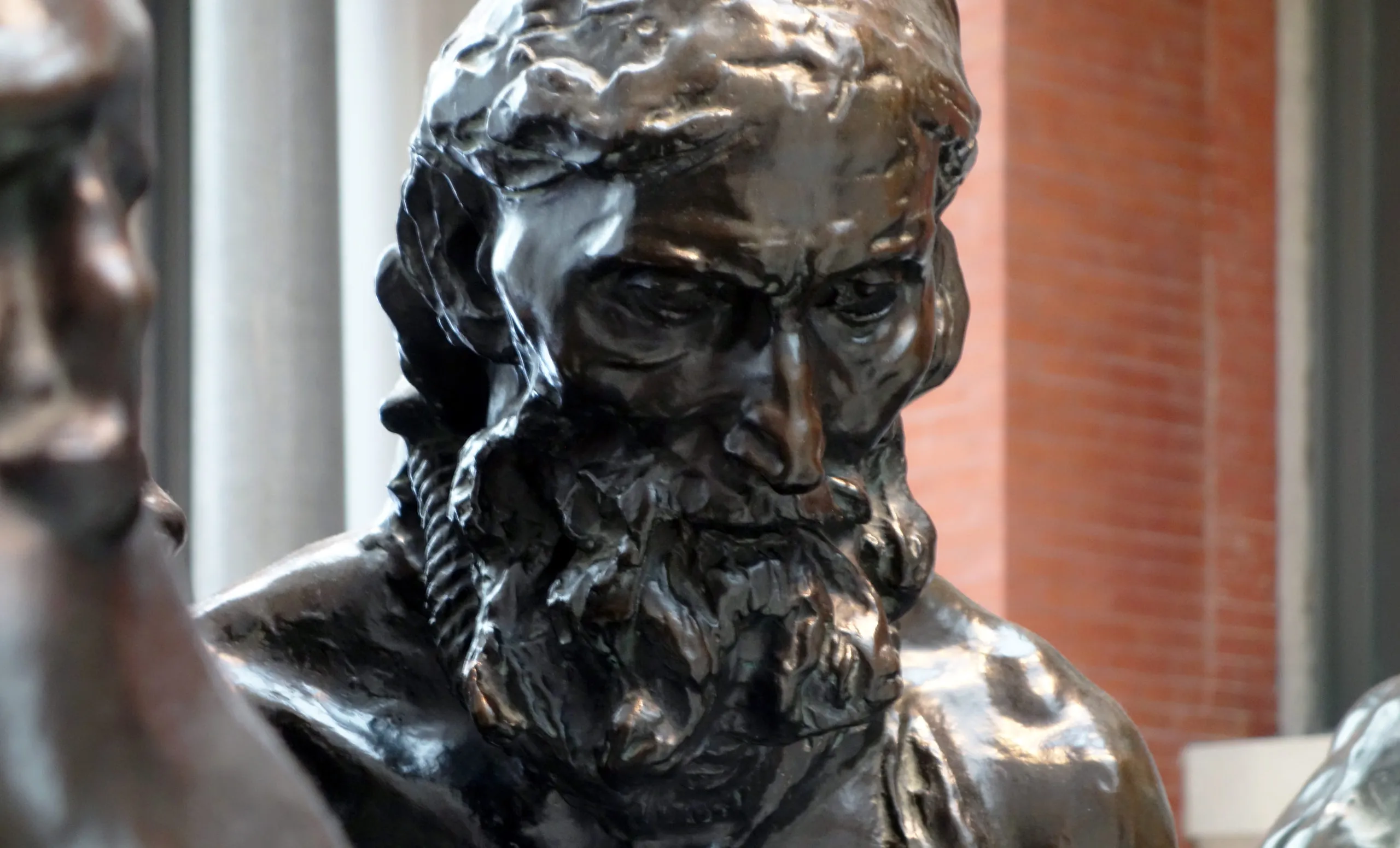
Materials & Techniques: Lost‑Wax Bronze, Marble Glow, and Plaster Truth
A technical yet accessible primer on lost‑wax casting, why bronze is memory, marble is glow, and plaster is honest.
→
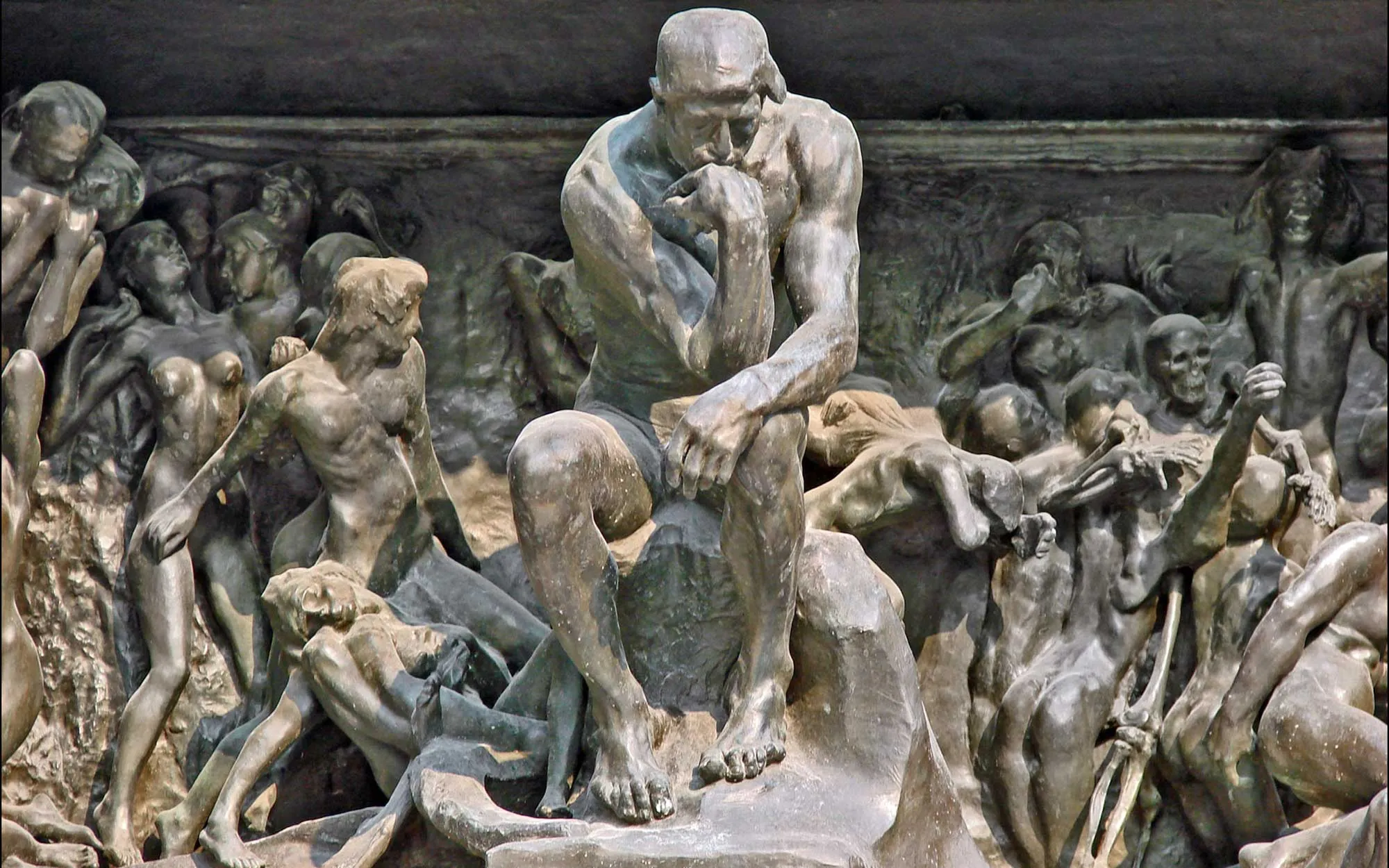
Conservation: Patinas, Plasters, and the Quiet Work of Preventive Care
How conservators preserve bronzes and plasters—wax layers, rotations, and environmental logging for stable surfaces.
→
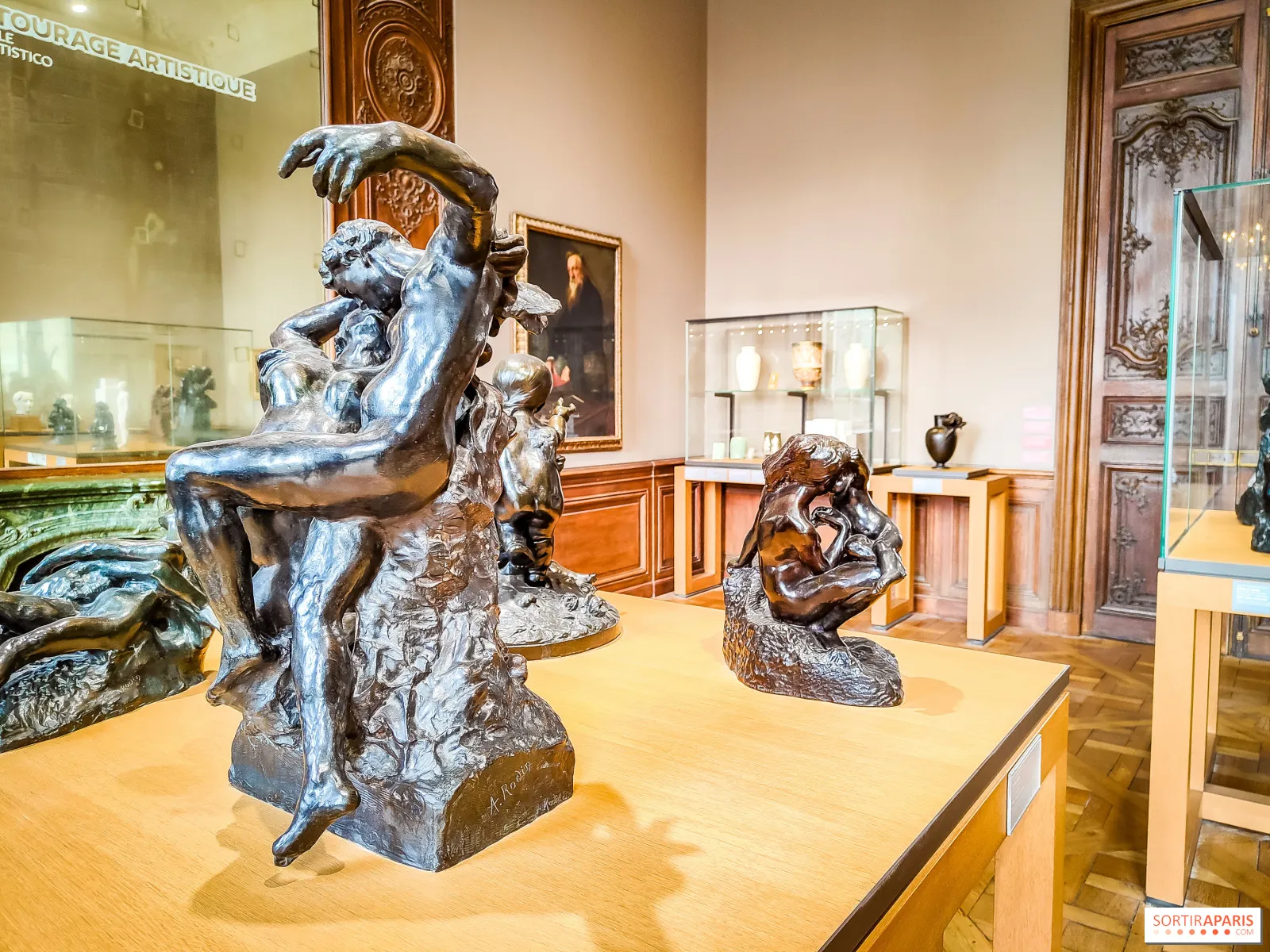
Hôtel Biron: Architecture, Light, and Sightlines that Frame Sculpture
Human‑scale rooms, window rhythm, and garden thresholds—why architecture seems to listen while sculpture speaks.
→
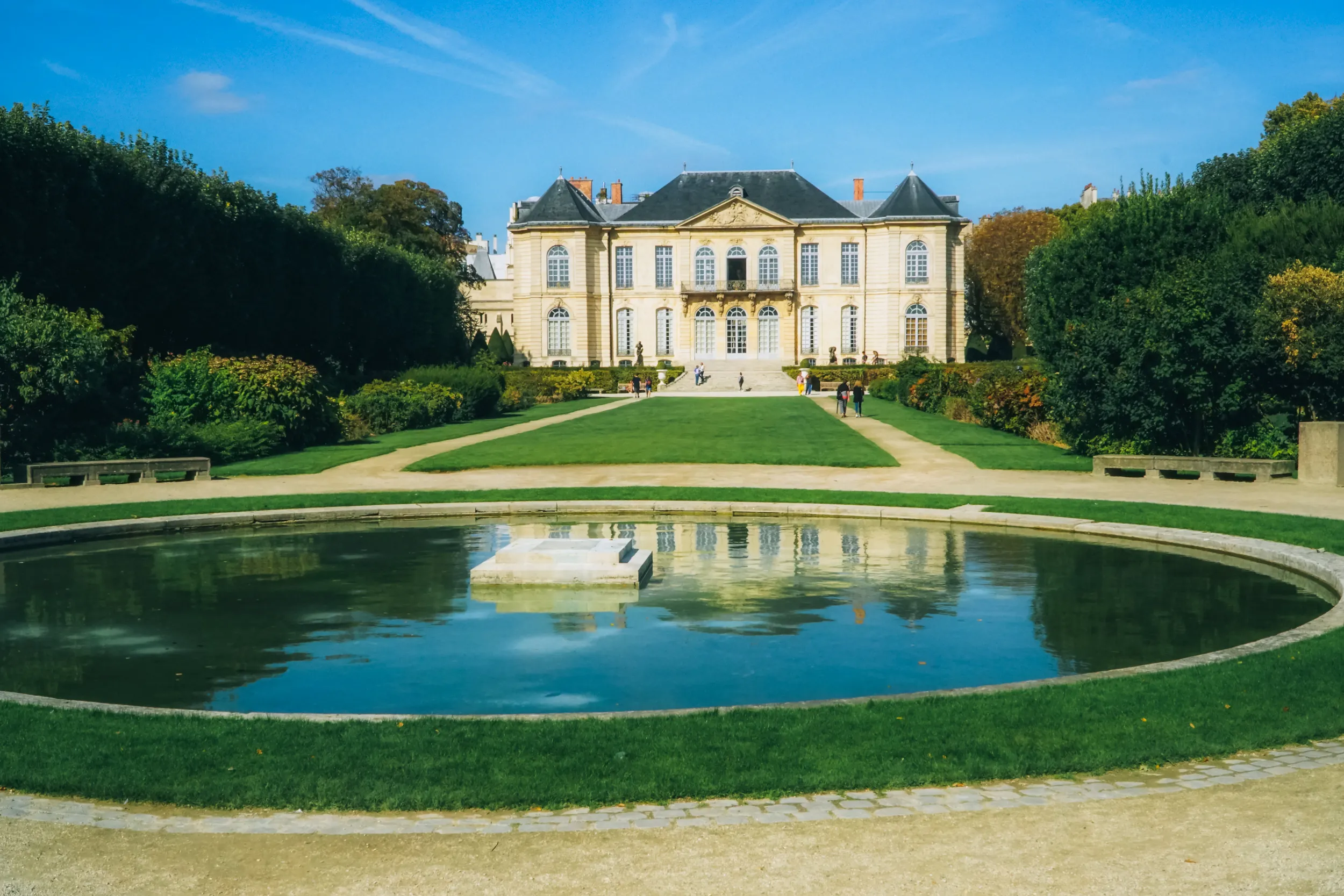
The Gardens: Sculpture, Light, and Seasonal Routes for Slow Looking
Best times, seasonal optics, and a gentle loop through the garden axis—let daylight rewrite bronze hour by hour.
→
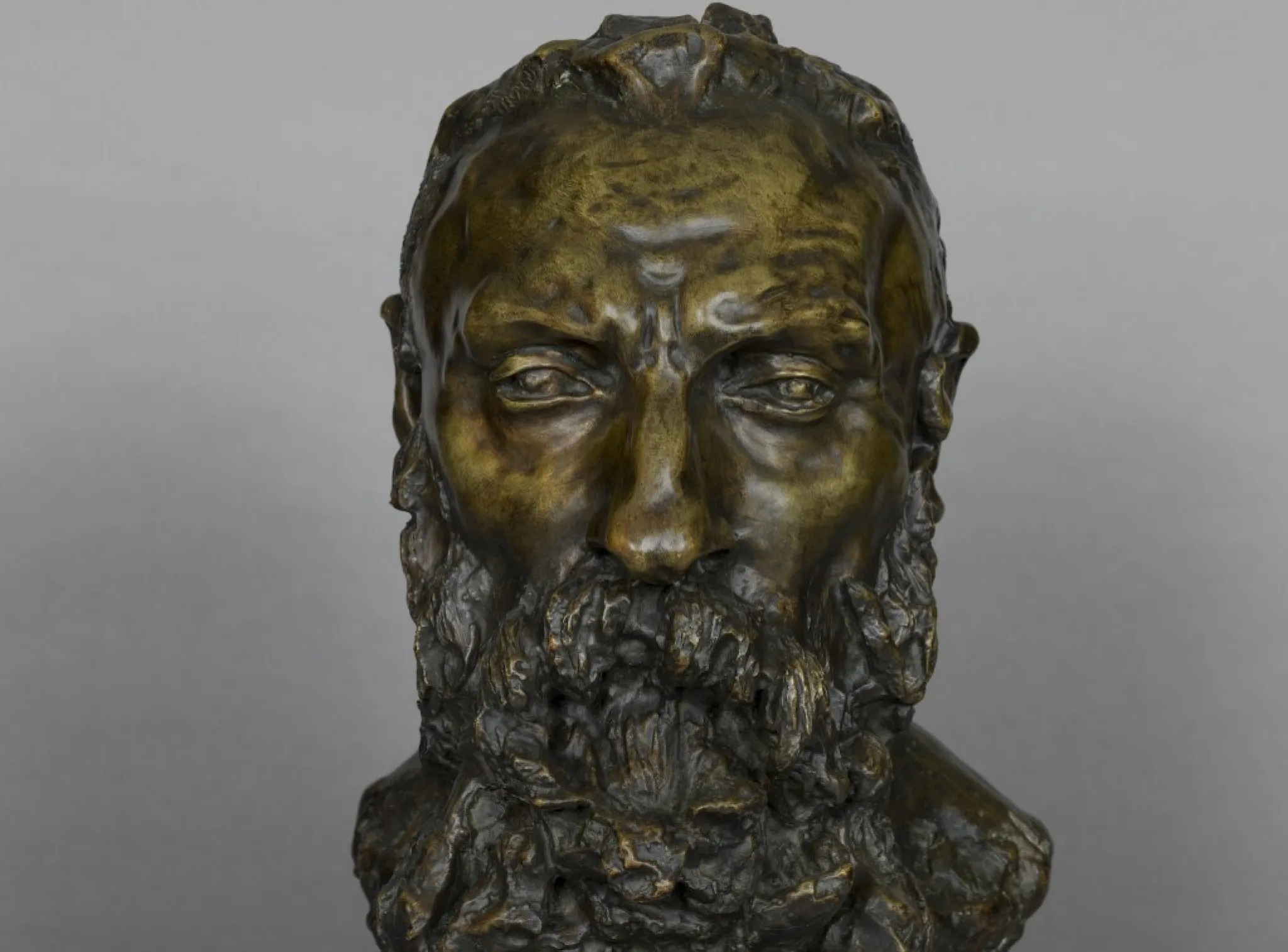
In the Studio: Assemblage, Fragment, and Scale Testing for New Bodies
Rodin’s studio treated casts like a library—reused limbs and torsos become modern anatomies through montage.
→
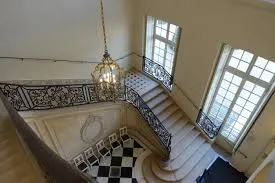
Visiting the Musée Rodin: Tickets, Hours, and Efficient Itineraries
Ticket options, best times, accessibility notes, and a short loop that captures essentials without rushing.
→
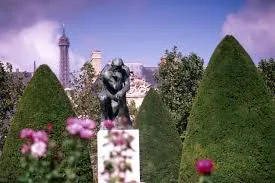
Photography at the Musée Rodin: Ethics, Angles, and Light Tricks
Respect the art while making strong images: what’s allowed, where to stand, and how to avoid glare on bronze.
→
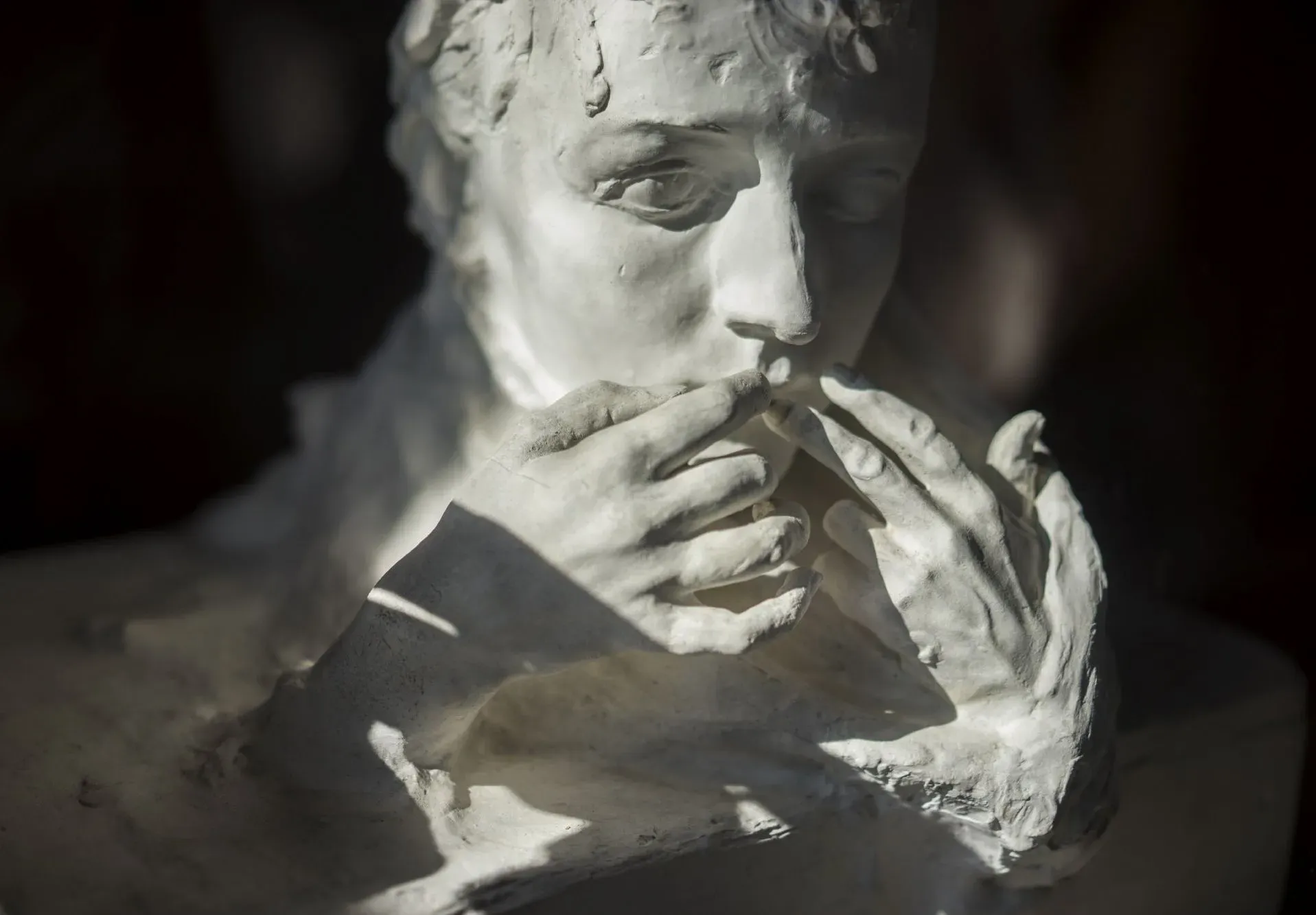
Meudon: Villa des Brillants—Process, Plasters, and a Second Heart
Visit Meudon to see studio logic in situ—plaster libraries, scale studies, and Rodin’s tomb crowned by The Thinker.
→
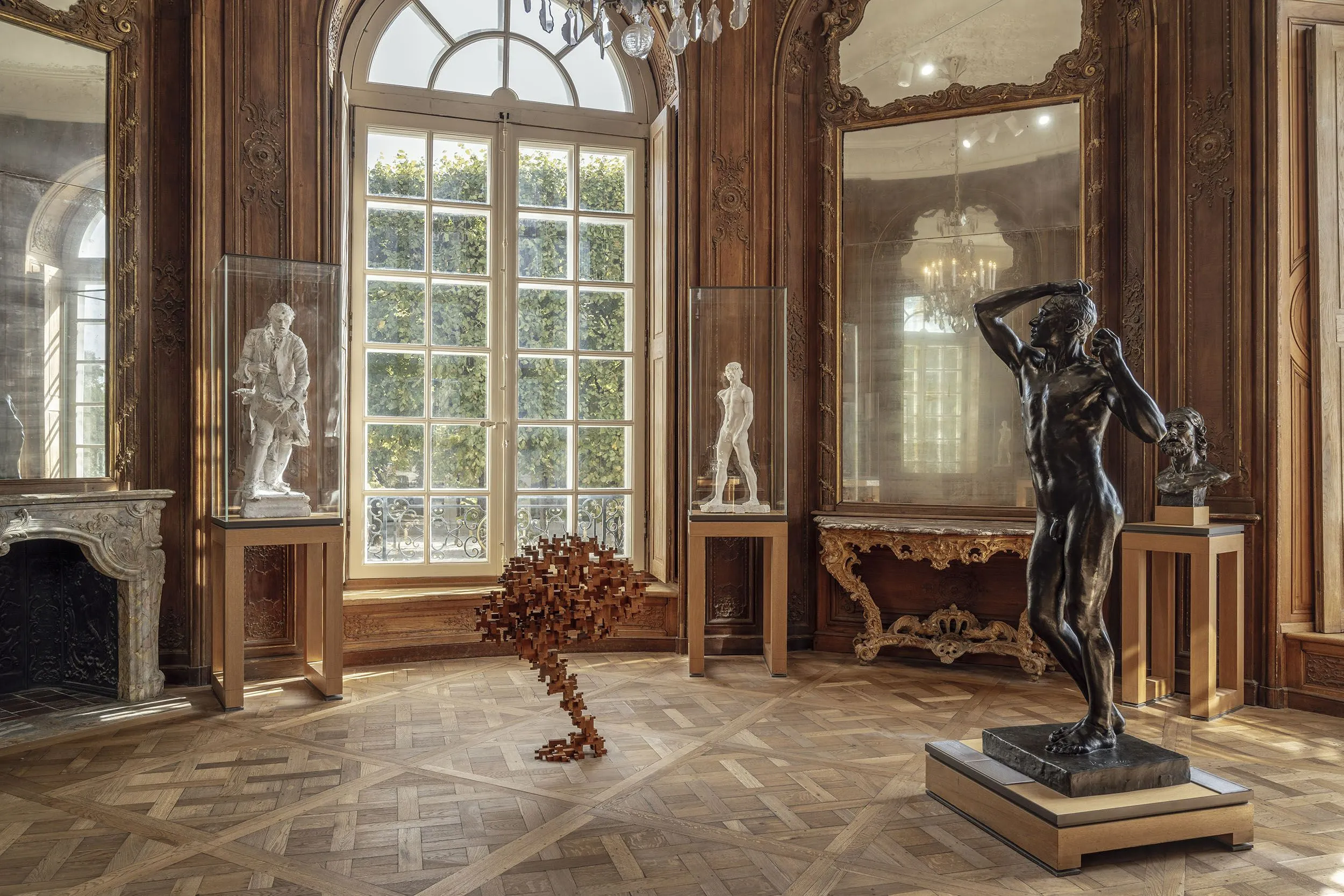
Rodin and Antiquity: Fragments, Ruins, and the Modern Body
Antique casts meet modern studies—missing limbs and eroded surfaces become expressive engines of presence.
→
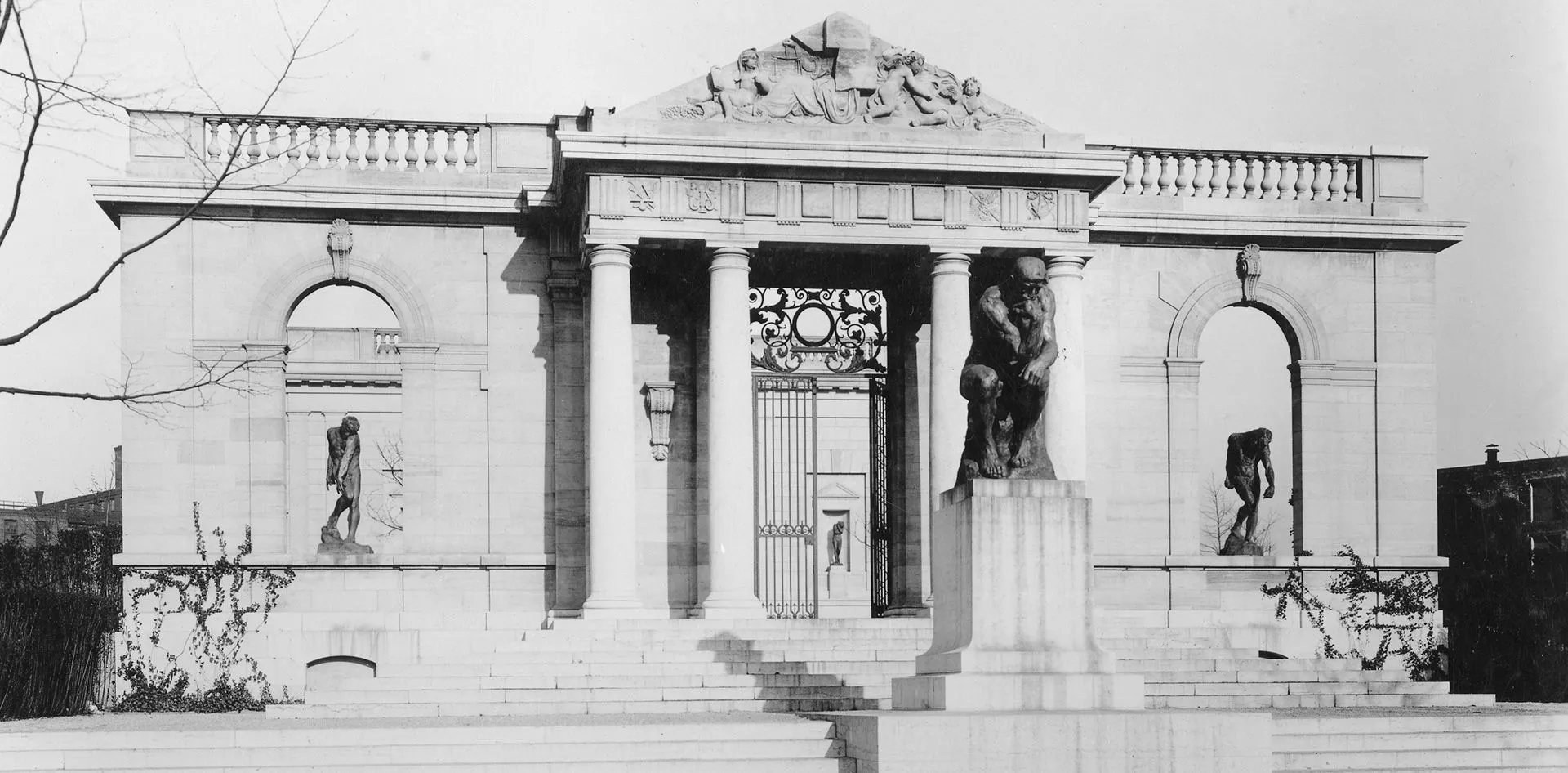
Rodin and Literature: Dante, Baudelaire, and Rilke in the Studio
A short cartography of ideas—Inferno for architecture, correspondences for urban feeling, and attention as a form of love.
→
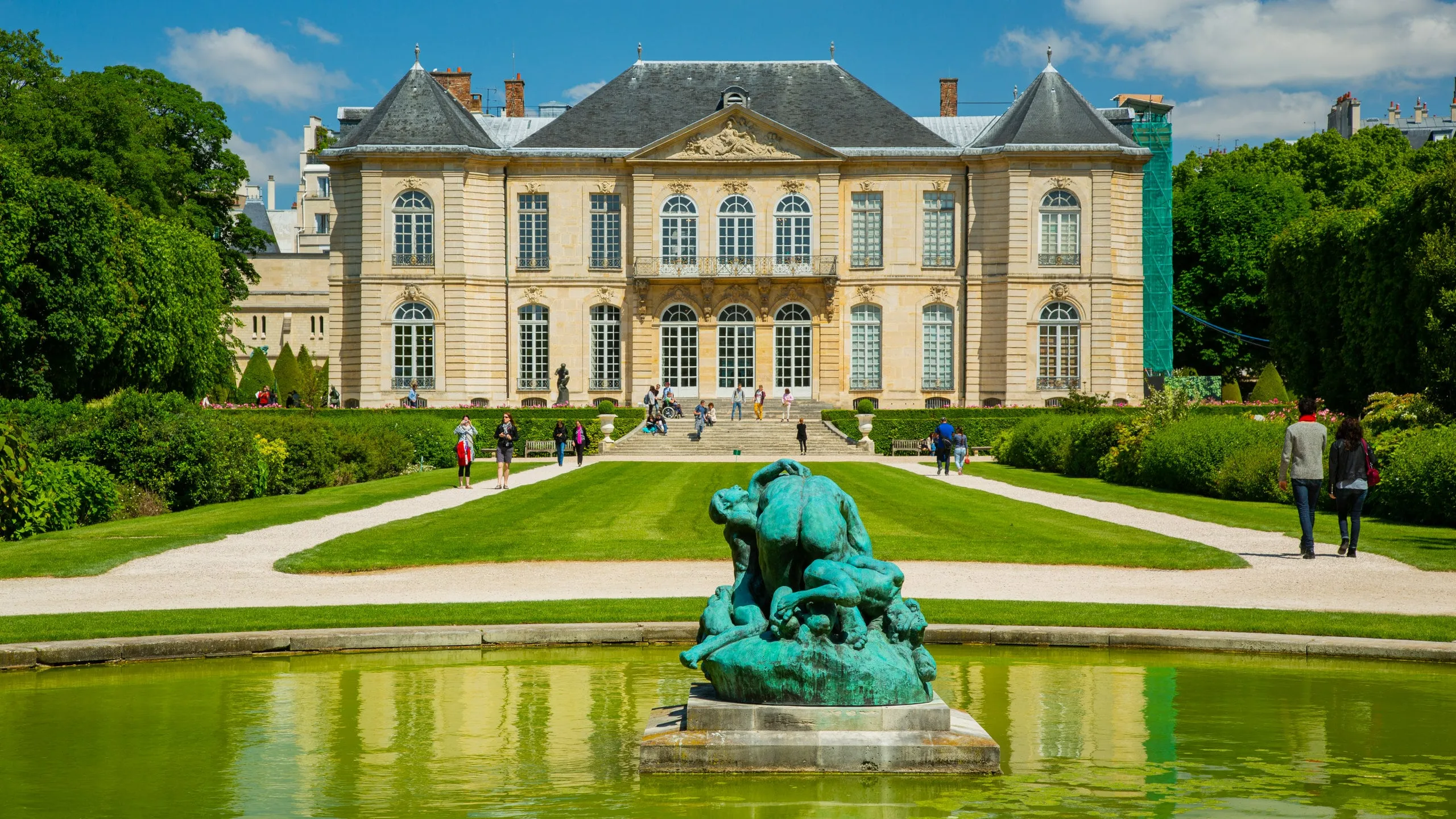
Accessibility at the Musée Rodin: Inclusive Tips and Resources
Mobility routes, sensory considerations, and seating points—plan a comfortable, inclusive museum experience.
→
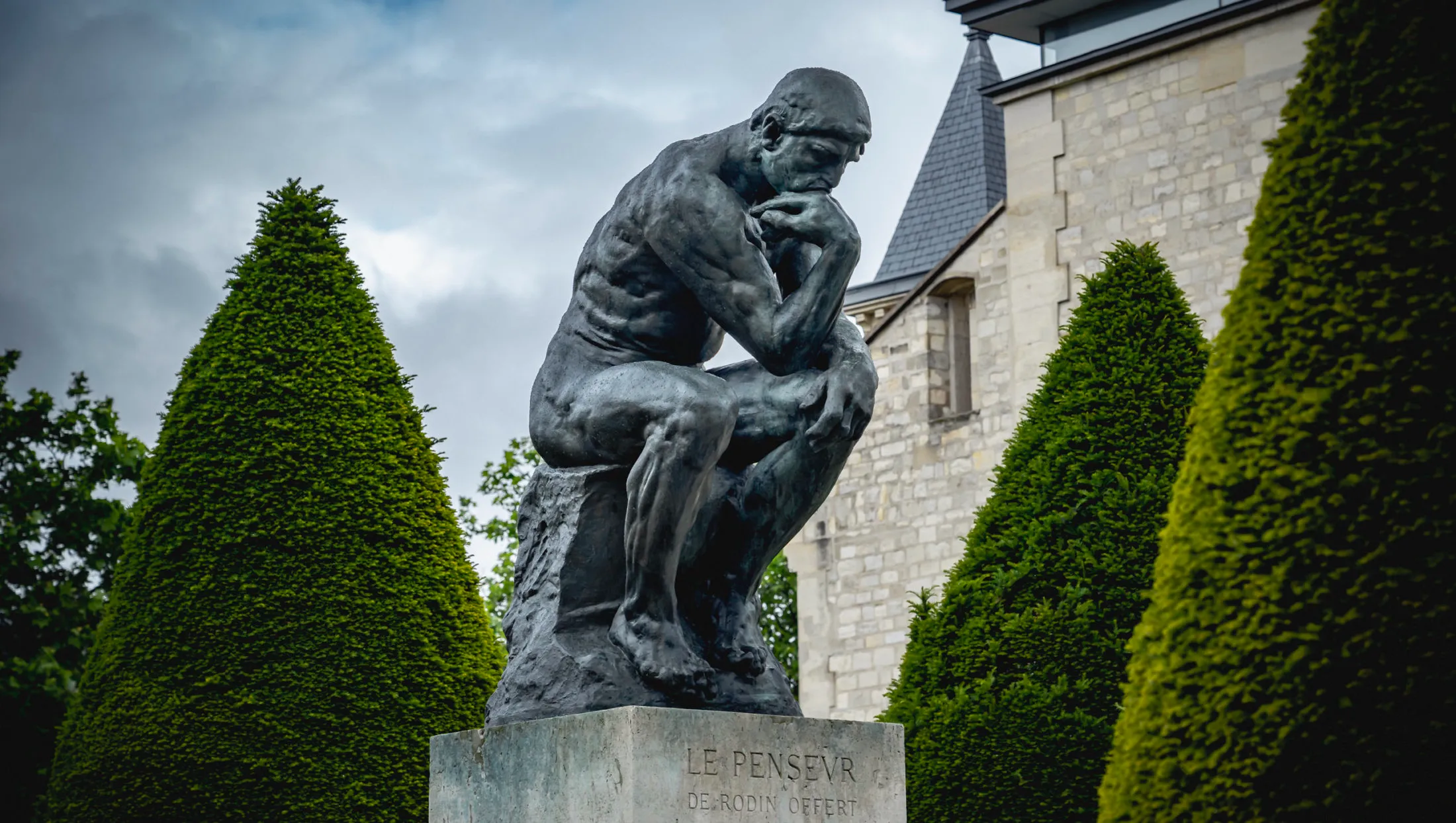
How to Look at Sculpture: Light, Edge, and Weight
A simple method for reading sculpture—frontal first, then 3/4, then low angle for silhouette and presence.
→
Women in Rodin’s Circle: Models, Patrons, and Artists
A look at the women around Rodin—as collaborators, models, patrons, and artists shaping the studio and its legacy.
→
Rodin and Literature: Poets, Writers, and Sculpted Words
From Dante and Baudelaire to Rilke, literature saturated Rodin’s imagination and the studio’s daily conversations.
→
Itineraries: See the Essentials in 90–120 Minutes
Short on time? Follow a focused route through the gardens and key rooms to catch the essentials without rushing.
→
Accessibility at the Musée Rodin: Inclusive Tips and Resources
Plan an inclusive visit: mobility notes, sensory considerations, and resources that support a comfortable museum experience.
→
From Plaster to Bronze: A Case Study in Making
Follow a single work from clay and plaster through mold, wax, and bronze—tracking decisions that shape the final presence.
→
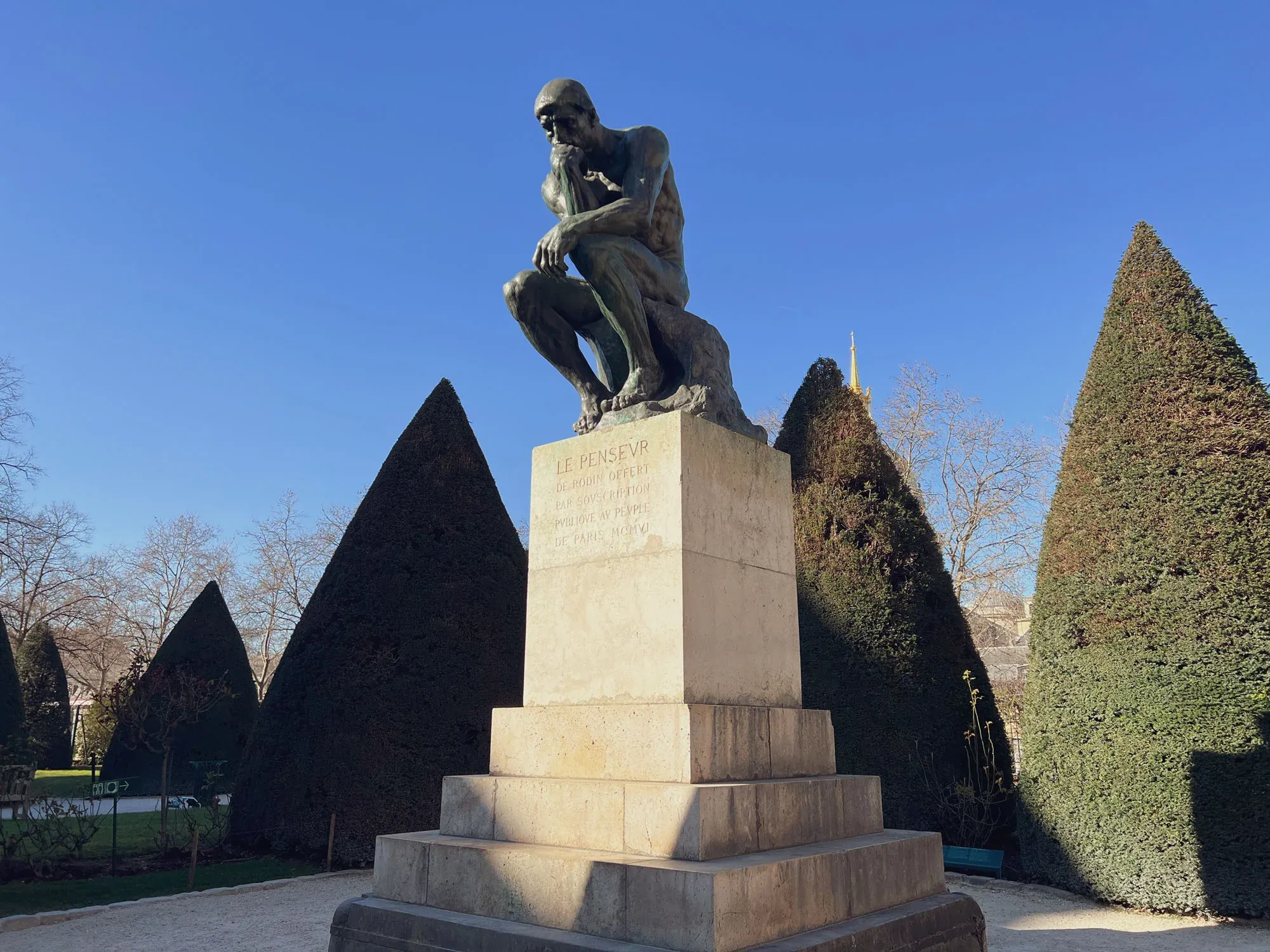
How to Look at Sculpture: Reading Light, Edge, and Weight
A simple method for reading sculpture: move, change angles, and let light translate form into meaning.
→