Musée Rodin: History of the Hôtel Biron and Collection
A guided history of the Musée Rodin, tracing the Hôtel Biron’s transformation into a world-class museum dedicated to Auguste Rodin.
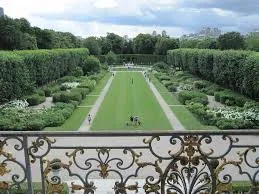
The Musée Rodin occupies the elegant Hôtel Biron, an 18th‑century townhouse that evolved—through artists' studios, diplomatic quarters, and near‑demolition—into Paris’s premier museum of modern sculpture.
🗝️ Key Milestones
- 1730s–40s: Construction of the Hôtel Biron in the Faubourg Saint‑Germain.
- 1908: Auguste Rodin rents rooms, gradually turning them into a studio‑showroom.
- 1916: Rodin donates his works and rights to casts in exchange for a museum.
- 1919: Musée Rodin opens to the public.
“I give to the State all my works in plaster, marble, bronze, and stone… on condition that they shall be housed in the Hôtel Biron.” — Rodin, 1916
🏛️ Architecture in Service of Sculpture
- Rocaille details and grand salons provide luminous display spaces.
- Axial gardens frame monumental bronzes for changing light.
- Conservation upgrades respect historical finishes while meeting 21st‑century standards.
| Space | Function | Note |
|---|---|---|
| Grand Salon | Major marbles | Natural light with blinds |
| Chapel | Exhibitions | Formerly a school chapel |
| Gardens | Outdoor bronzes | Seasonal planting design |
📐 Proportions and Perception
Rodin prized how distance and daylight alter volumes. A simple ratio captures a pleasing facade:
$$ ext{Aspect Ratio} = rac{ ext{width}}{ ext{height}} approx 1.6$$
The almost‑golden balance helps sculpture breathe against architecture.
🧭 Visitor Highlights
- The Thinker in the garden’s central axis.
- The Gates of Hell near the chapel.
- Intimate rooms revealing plasters and assemblages.
Why It Matters
The museum is more than a collection; it is Rodin’s vision made urban, where material, space, and light keep the work vividly alive.
Context & Background
- Originally an aristocratic residence, later a school for girls, then artists’ studios.
- The building’s near-demolition energized cultural preservation movements in Paris.
- Rodin’s 1916 deed assured permanent housing for works and casting rights.
Deeper Dive: Hôtel Biron as Museography
The Hôtel Biron’s window rhythm and enfilade structure create a sequential narrative: each room offers a chapter in sculptural thinking. Sightlines connect interior marbles with garden bronzes, so a visitor’s path becomes a composition of light and mass.
Quick Facts
| Item | Detail |
|---|---|
| Address | 77 rue de Varenne, 75007 Paris |
| Opened | 1919 |
| Founder | Auguste Rodin (via donation) |
| Garden Axis | Aligns with The Thinker |
FAQs
- Is everything original to Rodin? Many bronzes are authorized casts; plasters reveal process.
- Why so many versions? Rodin embraced multiplicity; versions explore scale and light.
- Best time to visit? Morning for softer garden light; late afternoon for warm tones.
Pro Tips
- Alternate interior → garden to reset your eye.
- Read labels on plasters—they often name assemblages and re‑uses.
- Sit on a bench and watch light shift across a single work.
About the Author

Art Historian
As an art lover and Paris flâneur, I created this guide to help you experience Rodin’s world — from the rough vitality of clay to the quiet glow of marble.
Tags
Comments (0)
Loading comments...