Musée Rodin Paris: Architecture, Gardens, and Collection
Explore the Musée Rodin’s evolution from Hôtel Biron to a living museum, where interiors and gardens choreograph sculpture and light.
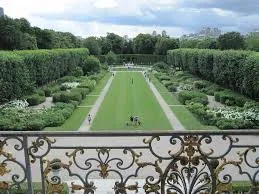
The Musée Rodin in Paris is a dialogue between architecture, light, and sculpture. Inside the Hôtel Biron, rocaille interiors and generous windows let works breathe. Outside, axial paths and clipped hedges stage bronzes under changing skies.
Timeline & Turning Points
- 1730s–40s: Hôtel Biron built in the Faubourg Saint‑Germain.
- 1908: Rodin rents rooms; studio‑showroom takes shape.
- 1916: Donation agreement: works + casting rights → museum commitment.
- 1919: Musée Rodin opens to the public.
“I give to the State all my works… on condition that they shall be housed in the Hôtel Biron.” — Rodin, 1916
Architecture that Listens
- Window rhythm offers modeling light; sculpture reads by the hour.
- Parquet floors dampen sound; intimacy rises.
- Sight lines connect salons and garden axes.
| Space | Function | Light Behavior |
|---|---|---|
| Grand Salon | Marbles & ensembles | Broad, diffused daylight |
| Chapel | Thematic shows | Focused spots + ambient |
| Gardens | Outdoor bronzes | Seasonal raking light |
A Quick Proportion Note
Pleasant facade balance often approaches an aspect ratio:
$$ ext{AR} approx rac{ ext{width}}{ ext{height}} = 1.6 pm 0.1$$
The near‑golden span lets sculpture breathe against architecture.
Smart Route (90–120 min)
- Garden entry → central axis → The Thinker.
- Gates of Hell viewed obliquely (texture!).
- First‑floor highlights in Hôtel Biron.
- Side paths for quiet studies.
| Stop | Focus | Time |
|---|---|---|
| Thinker | Presence & silhouette | 10–15 min |
| Gates | Narrative relief | 15–20 min |
| Interiors | Plaster→marble dialogues | 40–60 min |
Why It Matters
The museum is Rodin’s city‑scale studio: a place where material, space, and daylight keep thought alive.
Context & Background
- The gardens were designed to mediate urban noise with green volume.
- Interiors underwent careful restoration to retain plaster color and historic parquet.
- Display strategies favor dialogue between process pieces and finished works.
Deeper Dive: Interior–Garden Choreography
Stand near a window and watch specular highlights drift across bronze. Move into the garden and notice how raking light exposes topography—the same work tells different stories depending on hour and weather.
Quick Facts
| Item | Detail |
|---|---|
| Axis | Aligns Thinker → façade sightline |
| Planting | Seasonal rotation to vary backdrop |
| Surfaces | Neutral walls to favor shadow play |
| Benches | Placed to invite slow looking |
FAQs
- Are the gardens original to Rodin? They have evolved; today they serve light and sightline needs.
- Indoor vs outdoor viewing? Indoors for subtle finish; garden for silhouette and scale.
- Ticket timing? Reserve weekends early; weekdays offer quieter windows.
Pro Tips
- Circle the Gates of Hell from oblique angles.
- Alternate close reading (details) with long shots (silhouette).
- Take a short break after each major work—attention resets quality.
Σχετικά με τον συγγραφέα

Art Historian
Ως φίλος της τέχνης και παριζιάνος flâneur, συνέταξα αυτόν τον οδηγό για να νιώσετε τον κόσμο του Ροντέν — από τη δύναμη του πηλού έως την ήρεμη λάμψη του μαρμάρου.
Tags
Comments (0)
Loading comments...